Diesel diagnostics
Codes, cranking, fuel, and air, tested at the truck with the reasoning shared as we go.
St. George sits on the hardest stretch of I-15 between Salt Lake and Las Vegas: the Virgin River Gorge on one side, the long desert pulls on the other, and summer temperatures that treat equipment as a personal challenge. When a truck gives up out here, the nearest bay can be a very expensive tow away. St. George Super Mobile Truck Repair closes that distance from the truck's side.
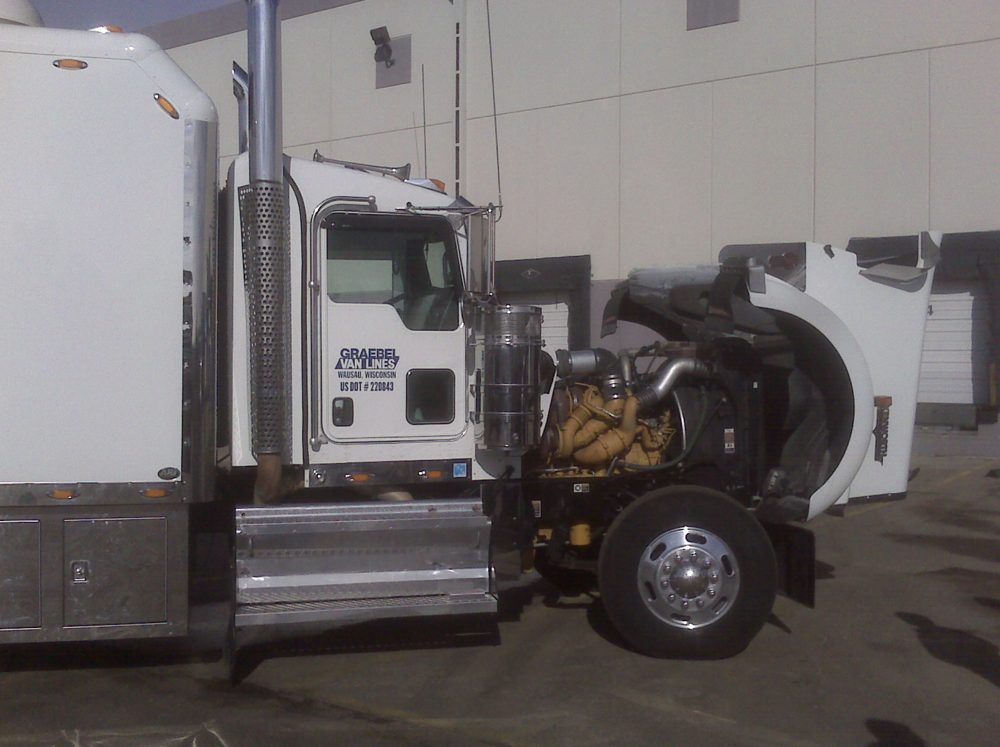
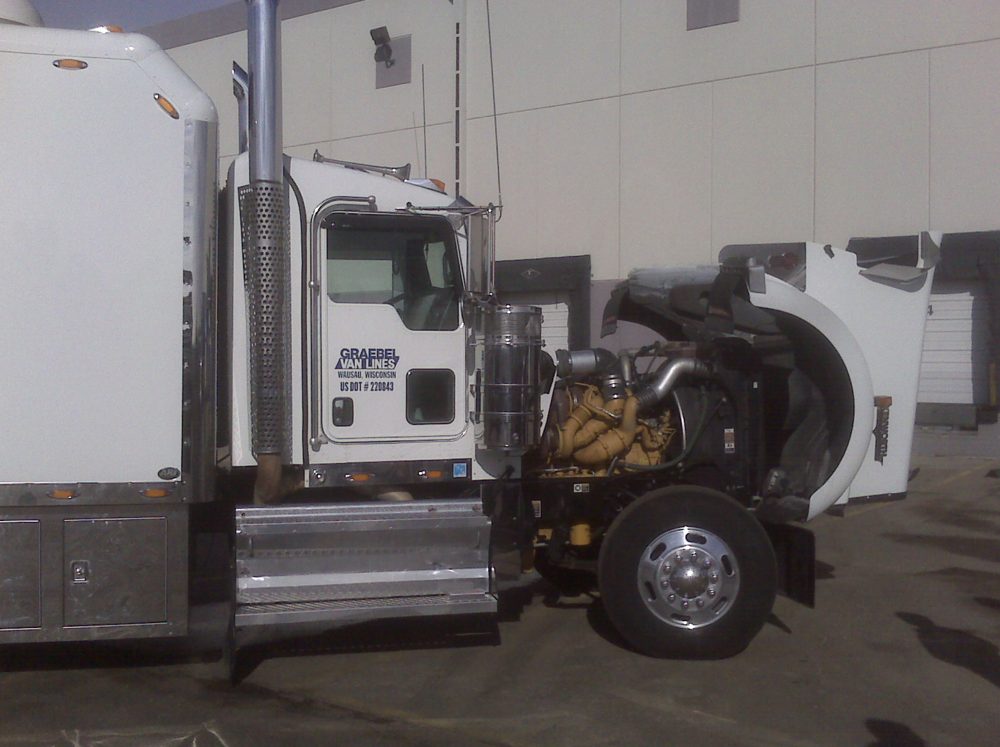
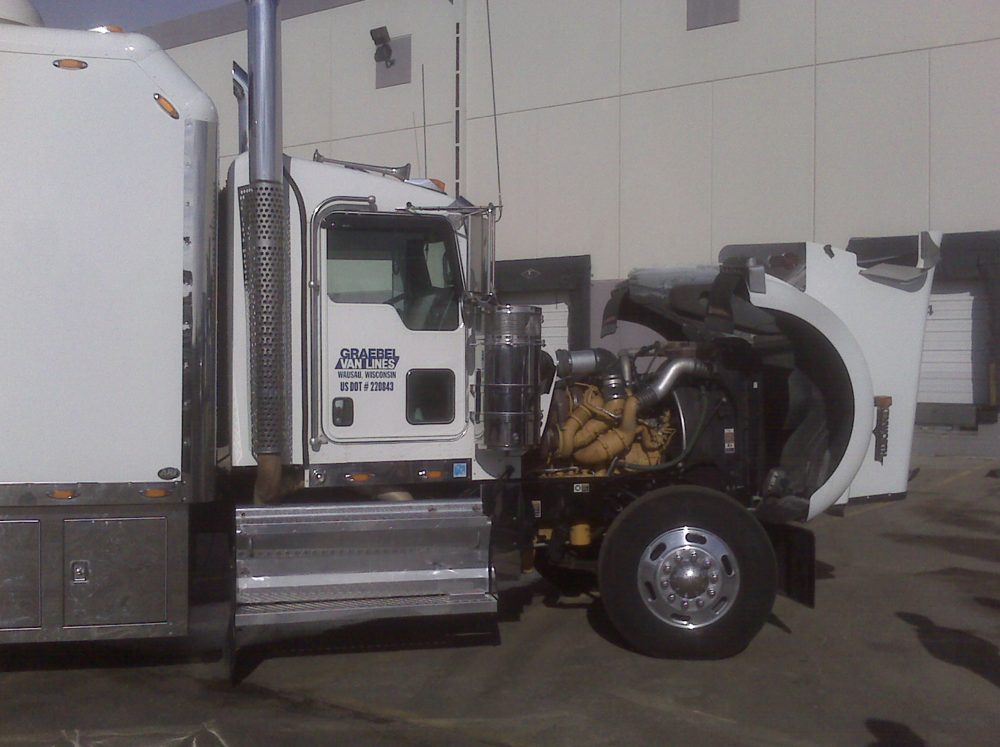
Diesel diagnostics, brakes and air, cooling systems, tires, trailers, and electrical, brought to the yard, the dock, or the shoulder with desert margins in mind.
Codes, cranking, fuel, and air, tested at the truck with the reasoning shared as we go.
The desert specialty: radiators, hoses, thermostats, fans, and honest advice about what the next grade will do to a marginal system.
Gorge-aware brake work: chambers, valves, adjustment, and stroke checks before anyone trusts a downhill.
Blowout response and pressure work with desert margins, mates checked, torque verified.
Marker circuits, gladhands, door hardware, and landing legs, sorted at the yard or the safe pull-out.
Scheduled service for Washington County fleets, summer-prepped in May, winter-checked in November.
Half our phone is local: the construction, distribution, and service fleets of a booming county, kept honest with scheduled yard rounds and written unit records. The other half is long-haul traffic that never planned to stop here, and gets treated like it matters anyway, because a stranded stranger on this corridor is the whole reason mobile repair exists.
Both halves get the same physics: heat-aware diagnostics, grade-aware brake work, and verdicts that survive the next hundred miles.
The working territory is the I-15 spine through Washington County: the Gorge approaches at the Arizona line, the St. George and Washington City freight parks, the Hurricane industrial spread, and the long ramps toward Cedar City. Around it, the growth: construction freight for a metro that never stops pouring, and the distribution traffic that follows rooftops anywhere they multiply.
Corridor work out here is distance work. We plan every call against real miles and real heat, and we tell you honestly when the smartest plan is limping one more exit toward shade, water, and workable ground.
The standard four: failure, location, cargo, mobility. Then the desert additions: coolant temps, tire condition, and how long the driver has been sitting in the sun, because out here the human margin matters as much as the mechanical one. If anyone is low on water at a remote shoulder, that goes in the plan too.
The verdict comes plain: fix in place, controlled move, or bay referral with the workup already done. Corridor distances punish indecision, so we do not sell any.
The approaches and the pull-outs, yes, conditions permitting. The canyon itself is a coordination job with traffic realities, and on some calls the winning move is an assisted crawl to the first patch of workable ground. We tell you which case you are in before anyone commits.
Both directions, judged per call against distance, heat, and our current position. Corridor honesty: you get a real yes, a real no, or a real alternative, never a hopeful maybe.
Back off the throttle, get to the next pull-out, and shut it down before the spike. Then call with the reading. Ten minutes of caution routinely saves a five-figure engine, and we will happily be the ones to say so.
Harder. July pavement out here exceeds anything most equipment was specced for, and the failure statistics follow. Pre-summer fleet checks in May are the cheapest insurance this county sells.
A booming county pours a lot of concrete. Dump rigs, mixer chassis, and the flatbeds hauling block and rebar keep us on job-site rotations weekly, wherever site rules allow a service truck.
The corridor runs cooler and busier after dark in summer, and the phone matches it. Same triage at midnight, better pavement temps.
Water beyond what seems reasonable, a charged phone, and this number saved. Equipment-wise: coolant, a serviceable spare, and tires checked before Mesquite. The corridor rewards preparation and audits everything else.
Both, daily. The industrial spread east of St. George is a regular circuit, and the growth out there keeps adding yards that need a wrench with wheels.
Location precision saves desert miles:
Heat is the tax collector. Batteries fail young, belts and hoses age on fast-forward, and tires that entered the corridor marginal exit it in pieces, usually near the Gorge where nobody wants to change one. Cooling systems live at their limits on the summer grades, and the difference between a hose job and an engine job is usually whether the driver stopped at the first gauge twitch. Stop at the twitch. We will say it again on the phone.
Winter is short but real: black ice in the Gorge, cold snaps that surprise batteries, and the occasional snow that makes the whole corridor briefly humble. The service truck carries both seasons from November through March, because this desert refuses to pick one.
Elevation adds a quieter effect: loads coming up from the Vegas basin climb four thousand feet by Cedar City, and marginal cooling or charging systems reveal themselves on that profile with great reliability. If your gauges twitched anywhere past Mesquite, have it looked at in St. George, because the corridor north only gets more honest.
Tour season stacks the corridor with rentals and RVs, which changes shoulder safety math for everyone working it. Summer weekends we position accordingly and quote windows that respect the canyon-country traffic reality. The freight still moves, the repairs still happen, and everybody keeps a wider margin from the passing lane. Local knowledge is mostly knowing when the road is not your friend.
Out here the distances make every promise expensive. A window quoted wrong strands a driver in heat that does not forgive, and a repair oversold at a remote shoulder becomes a second emergency. So the business runs on blunt arithmetic: real miles, real temps, real capabilities, stated up front. When we can fix it at the truck, we say so and do it. When the desert wins the round, we say that too, and help arrange the recovery that actually works. Drivers remember who told them the truth at mile marker 8, and this corridor keeps score for a living.
If you are reading this from a shoulder somewhere between the Gorge and the state line, here is what matters: we answer, we quote honestly against real distance, and we carry the parts this corridor actually breaks. Shade and water first, phone second, and the desert gets a lot more manageable from there. Thousands of drivers cross this stretch daily and the ones who save the number cross it calmer.
Washington County adds rooftops, roads, and warehouses at a pace the rest of Utah watches with awe, and every bit of it arrives by truck. The fleets doing that work get a mobile service that keeps their equipment where the growth is, instead of in a queue behind it. That is the business model, and the county's cranes suggest it has a future.
Mile marker, failure, cargo, and how everyone is holding up out there. Verdict, window, wheels turning your direction.